
Building Design Systems That Scale
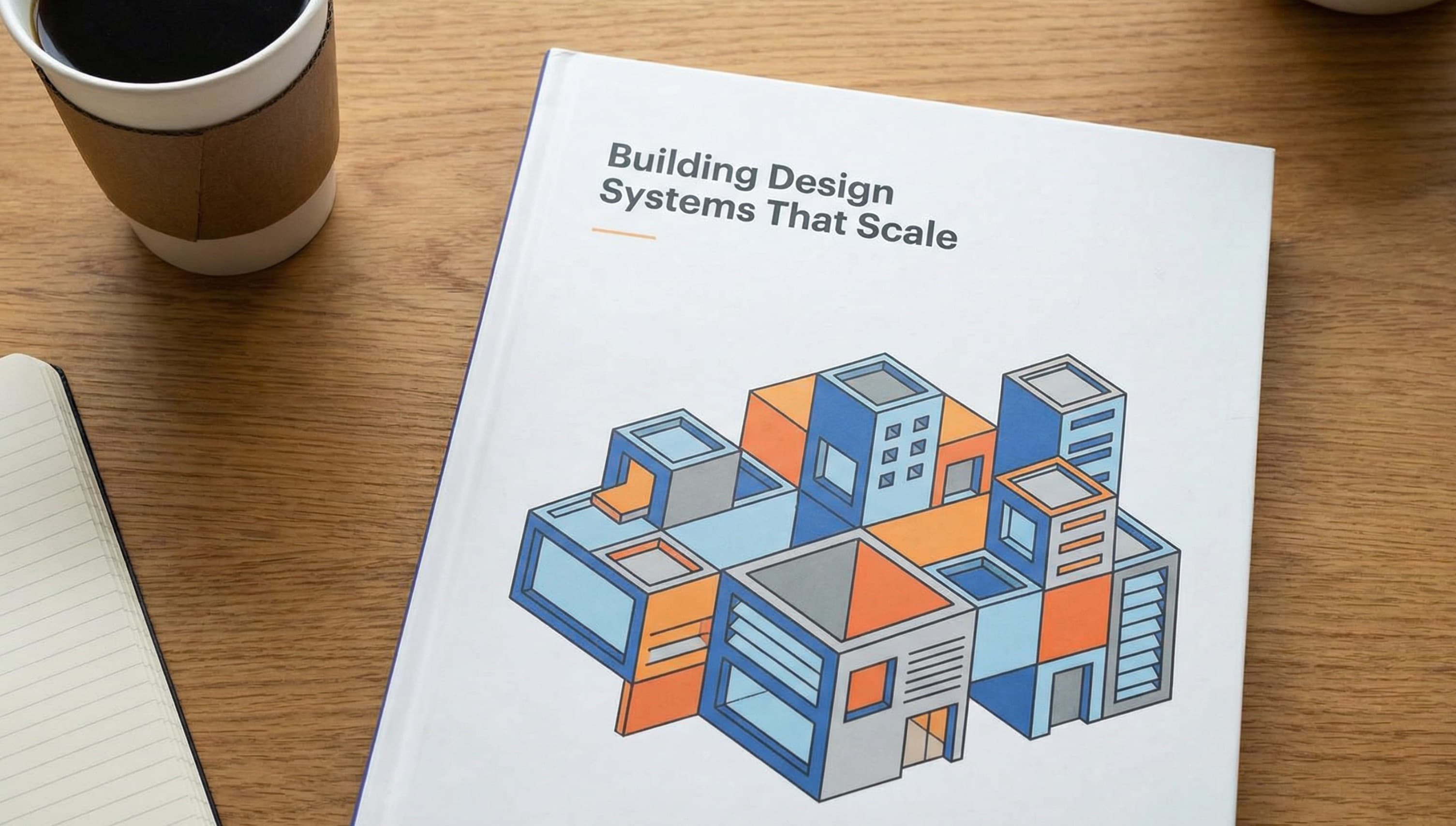
Why Design Systems Matter
As teams grow and products evolve, maintaining consistency becomes increasingly challenging. A well-designed system provides the foundation for scalable, cohesive experiences.
But building a design system isn't just about creating a component library. It's about establishing principles, processes, and culture that enable teams to work more efficiently.
Key Principles
Start Small: Don't try to build everything at once. Start with the most commonly used components and patterns.
Document Everything: Good documentation is essential. It helps team members understand not just what components exist, but when and how to use them.
Iterate and Evolve: Design systems are living things. They need to grow and adapt as your product and team evolve.
Involve Everyone: Design systems work best when they're built collaboratively. Get input from designers, developers, and product managers.
Common Pitfalls
- Over-engineering early components
- Not maintaining documentation
- Ignoring feedback from users of the system
- Creating components in isolation
The Payoff
When done right, design systems:
- Speed up development
- Improve consistency
- Reduce design debt
- Enable better collaboration
The investment is significant, but the returns are even greater—especially as teams and products scale.